
This program utilizes a progressive, evidence-based model informed by current developments in neuroscience and clinical research.
Treatment plans are tailored to individual needs and may include structured therapy, emotional support, and post-treatment planning aimed at long-term stability.
By emphasizing both scientific rigor and individualized care, this approach supports measurable improvements in mental health and well-being.
The model is grounded in humane, client-centered principles and integrates proven therapeutic methods designed to address a wide range of behavioral and emotional challenges.
Premium Mental Health Facilities Mental health facilities provide structured therapeutic support for a range of psychiatric conditions, including depression, anxiety, trauma-related disorders, post-traumatic stress disorder (PTSD), bipolar disorder, borderline personality disorder, obsessive-compulsive disorder (OCD), psychosis, self-harming behaviors, and related concerns.
Co-Occurring Dual-Diagnosis Program – Comprehensive residential support designed for people navigating multiple mental health concerns and co-occurring conditions, helping them move toward greater well-being and life satisfaction.

Individualized treatment planning plays a critical role in addressing the diverse needs of those experiencing mental health challenges. By considering personal history, clinical presentation, and recovery goals, care plans can be adapted to align with each individual’s circumstances. Services may include intensive therapeutic support, holistic modalities, and flexible programming structures designed to promote long-term mental and emotional well-being.
With a commitment to clinical excellence and personalized support, this program helps individuals develop the tools and insight needed to navigate recovery with confidence. The focus is on healing, growth, and creating lasting positive change.
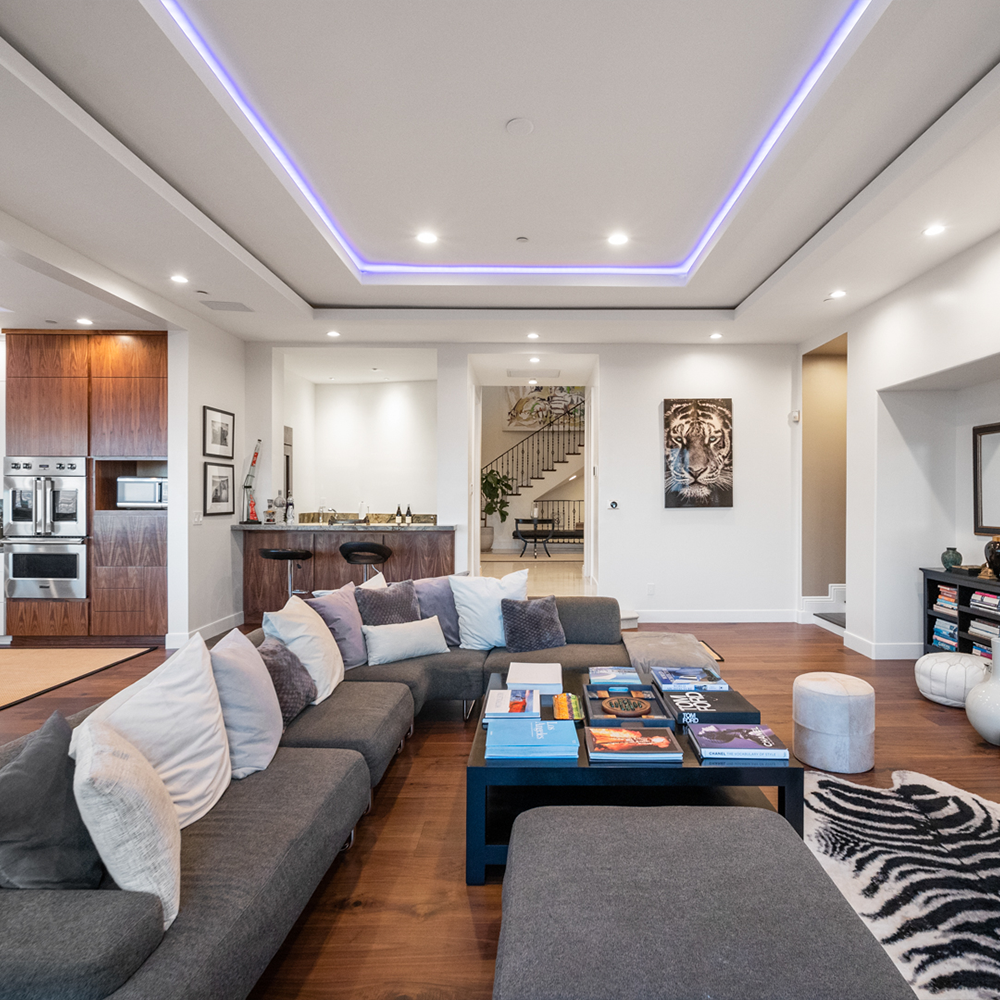
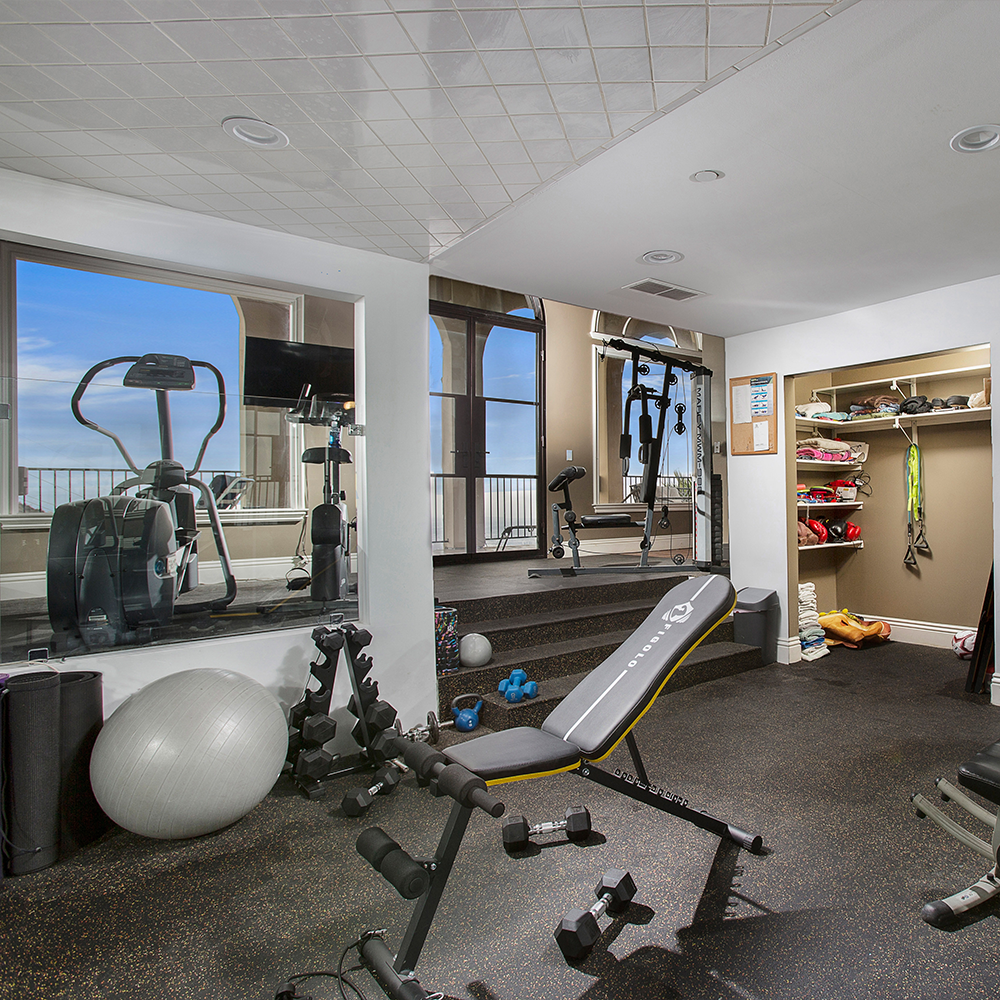
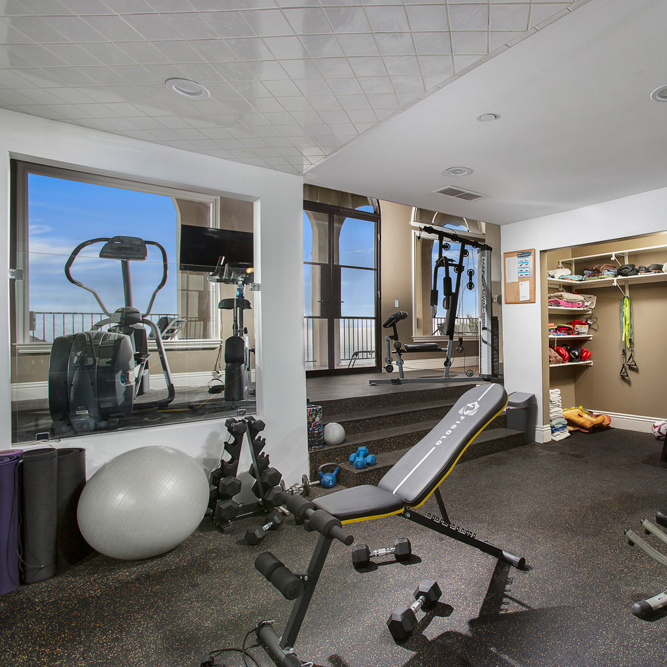
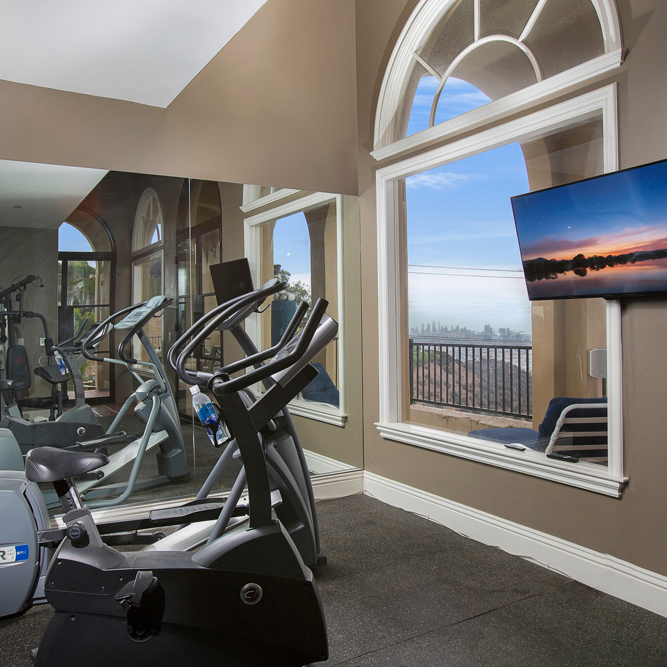
Take a look at our beautiful, comfortable treatment environments designed to promote healing and recovery.
























A dynamic mix of therapeutic activities supports emotional healing and mental clarity. Clients engage in structured sessions like Cognitive Behavioral Therapy, EMDR, and trauma-sensitive group work, while also exploring personal growth through self-esteem development and family systems therapy. Complementary experiences, including art therapy, anger management, and de-escalation techniques, help address underlying emotional challenges in a safe and supportive environment.
Using different CBT techniques; exploring automatic negative thoughts and catastrophic language and how to change negative thought processes for a more positive outcome and for a better feeling response to the situation.
The facilitator completes a 6-week rotation of various exercises on "getting to know myself"; focuses on differences between perception and authentic self and dangers of living in a dichotomy; works on positive self-imagery and utilizes excerpts from The Four Agreements to assist in remaining positive and focused on self.
The facilitator continues to build on mental health and wellness as it pertains to various emotional responses in early recovery; pause; respond vs. reacting; able to focus on the emotional and mental aspects of recovery, separate from physical symptomology; reviews importance of avoiding catastrophic language, and when escalating, remaining focused on the current situation and how to de-escalate self.
Utilizing art and various forms of expression as opposed to talk therapy to uncover issues below the surface with many mediums, including painting, sculpting, acting, arts, and crafts.
The facilitator uses lessons on co-dependency, enabling and continued methods to identify family systems perspectives; Satir modeled overlay with role identification in the family unit and how to heal the family system. Family therapists and additional clinicians offer opportunities for family therapy on "face time"/zoom, as addiction and mental health concerns are a family issue affecting the entire dynamic.
In the safety and support of a clinically-supervised group setting, clients are afforded the opportunity to unpack past physical, sexual, and emotional traumas that contribute to their behavioral patterns.
Group facilitators teach clients healthy and effective methods for addressing conflict in interpersonal relationships.
Eye movement desensitization and reprocessing therapy involves moving the eyes a specific way while processing traumatic memories with the intention of changing the emotions, thoughts, or behaviors that result from a distressing experience.
Therapists and group facilitators work with clients to practice recognizing and defusing escalating anger and frustration. Clients will learn to better manage their emotions and prevent destructive outbursts.

Left by satisfied clients from a network of centers
Intimate Private Mental Health